
Description
Product Overview
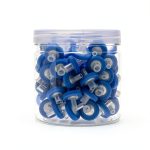
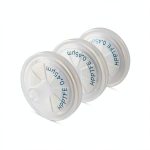
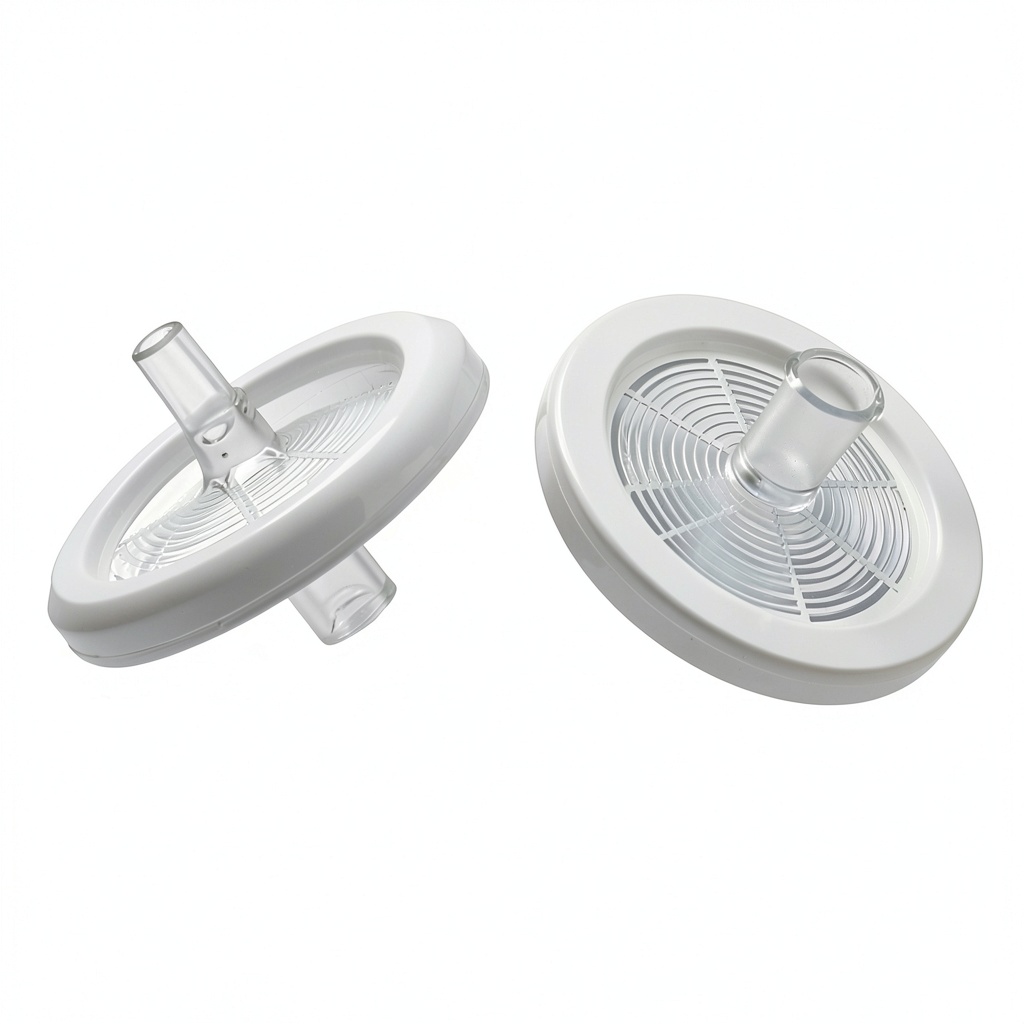
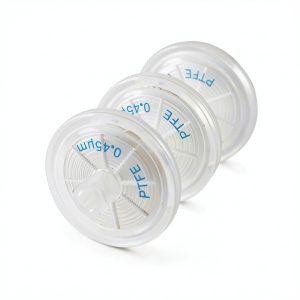
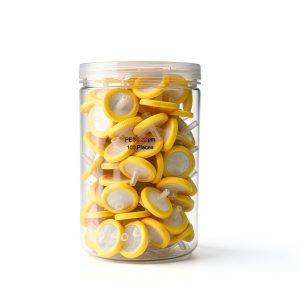
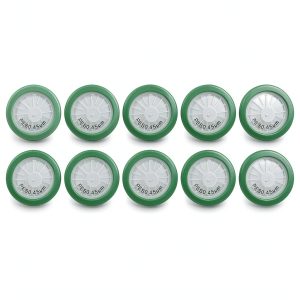
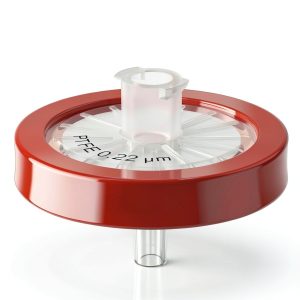
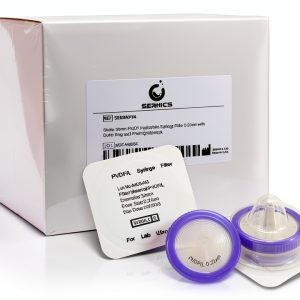
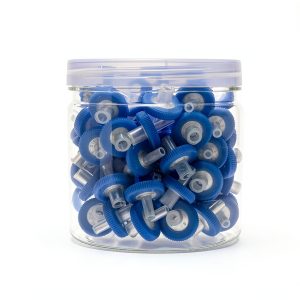
The Celltreat 229757 PTFE syringe filter is engineered for high‑performance liquid chromatography, sample preparation, and analytical testing in demanding laboratory environments. Featuring a hydrophobic PTFE membrane with a precise 0.22 µm pore size, the filter reliably removes particulates, microbes, and insoluble contaminants while maintaining chemical compatibility with a broad range of solvents, including strong acids and bases. The 30 mm diameter housing is compatible with standard 1 mL syringes, providing a secure, leak‑free connection that supports both manual and automated filtration workflows.
Constructed from chemically inert PTFE, the membrane offers exceptional temperature resistance, allowing operation from -196 °C up to 260 °C without degradation. This durability makes the filter suitable for high‑temperature applications such as polymer synthesis, catalyst testing, and thermal stability studies. The filter is supplied sterile, ensuring that samples remain uncontaminated throughout the filtration process, which is critical for microbiological assays, cell culture media preparation, and pharmaceutical analysis.
Usage
Designed for versatility, the Celltreat PTFE syringe filter excels in a variety of laboratory settings. Researchers performing degassing of aqueous solutions will appreciate the filter’s ability to remove dissolved gases and fine particulates, improving the accuracy of spectroscopic and chromatographic measurements. In addition, the filter’s compatibility with aggressive solvents enables seamless filtration of strong acid solutions such as hydrochloric or sulfuric acid, as well as alkaline solutions like sodium hydroxide, without compromising membrane integrity.
Typical applications include sample cleanup prior to high‑performance liquid chromatography (HPLC), gas chromatography (GC), mass spectrometry (MS), and nuclear magnetic resonance (NMR) analysis. The filter also supports routine quality control procedures in manufacturing environments, where it can be used to filter process streams, validate product purity, and ensure compliance with regulatory standards. Its compact size and sterile packaging make it an ideal choice for field laboratories, academic research labs, and industrial R&D facilities.
Why Choose Us
Celltreat Scientific Products has a long history of delivering reliable, high‑quality filtration solutions to the scientific community. Each PTFE syringe filter undergoes rigorous quality control testing, including pore size verification, burst pressure assessment, and chemical resistance evaluation, to guarantee consistent performance across every batch. Our commitment to precision manufacturing ensures that the filter meets exacting standards for dimensional tolerance, providing a perfect fit for standard syringe adapters and minimizing the risk of leakage or bypass.
Beyond product quality, Celltreat offers comprehensive technical support and after‑sales service. Our experienced application engineers are available to assist with method development, troubleshooting, and optimization of filtration protocols, helping customers achieve reproducible results and reduce downtime. We also provide detailed documentation, including certificates of analysis (COA) and material safety data sheets (MSDS), to facilitate compliance with laboratory safety and regulatory requirements.
Key Features
- 0.22 µm PTFE membrane delivers reliable particle removal for high‑precision analyses
- 30 mm syringe filter size fits standard 1 mL syringes for easy integration
- Hydrophobic membrane resists strong acids, alkali solvents, and extreme temperatures
- Sterile packaging ensures contaminant‑free filtration for microbiology and cell culture
- Dedicated technical support and rapid replacement service for uninterrupted workflows
FAQ
What solvents are compatible with this PTFE filter?
The PTFE membrane is chemically inert and works with most organic solvents, strong acids (e.g., HCl, H₂SO₄), and strong bases (e.g., NaOH). It is also suitable for aqueous solutions and mixtures, making it a versatile choice for diverse laboratory applications.
Can this filter be used for high‑temperature filtration?
Yes. The PTFE membrane can withstand temperatures from -196 °C up to 260 °C, allowing it to be used in high‑temperature processes such as polymer synthesis, catalyst testing, and thermal stability studies without loss of performance.
Is the filter sterile, and how is sterility maintained?
All filters are supplied in sterile packaging. The manufacturing process includes aseptic handling and gamma irradiation to ensure that the membrane remains free of microbial contamination until the point of use.
What is the recommended flow rate for optimal performance?
For most aqueous and low‑viscosity solvents, a flow rate of 0.5 mL/min to 1 mL/min provides efficient filtration without excessive pressure buildup. For more viscous solvents, a slower flow rate may be required to prevent membrane damage.
How do I replace a clogged filter without contaminating my sample?
Dispose of the used filter according to your laboratory’s waste disposal guidelines. Replace it with a new sterile filter, ensuring the syringe and tubing are also clean and, if necessary, pre‑flushed with the sample solvent to maintain sample integrity.
Reviews
There are no reviews yet.