

Description
Product Overview
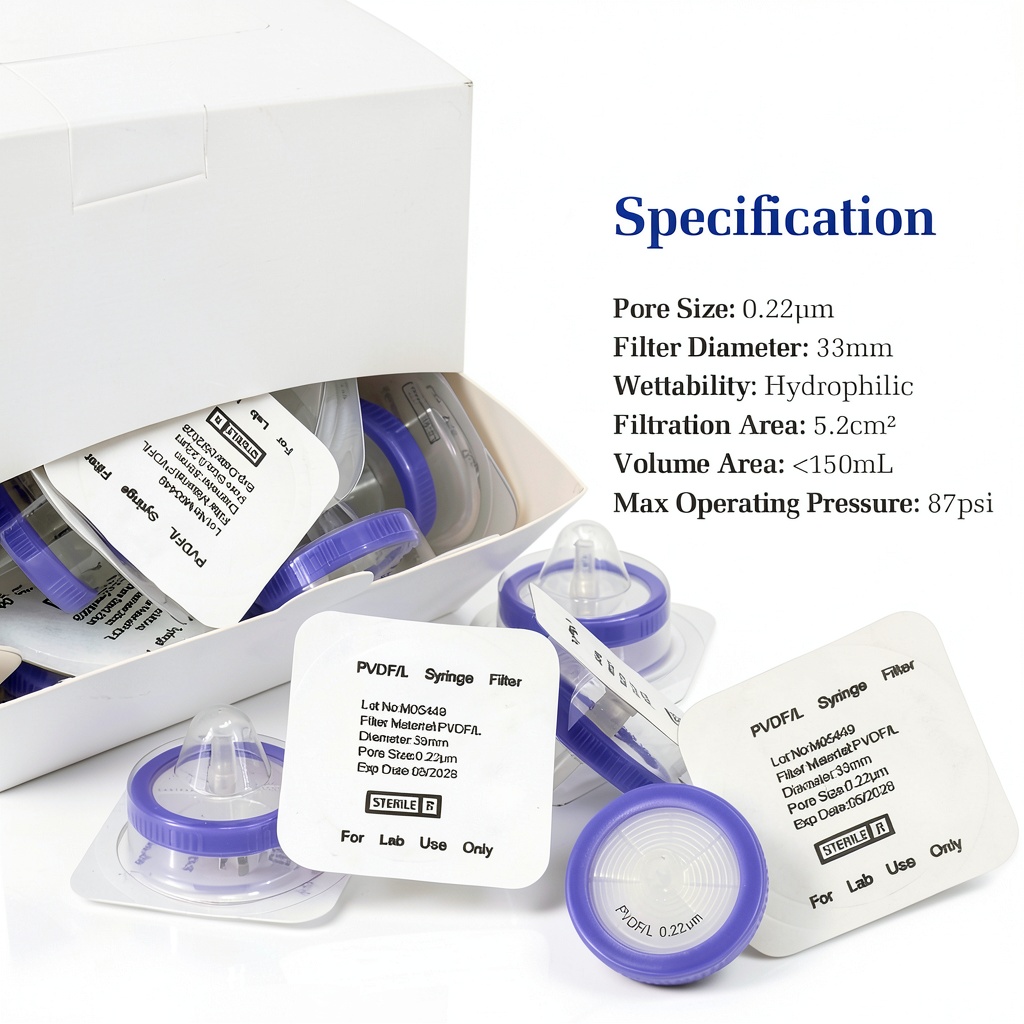
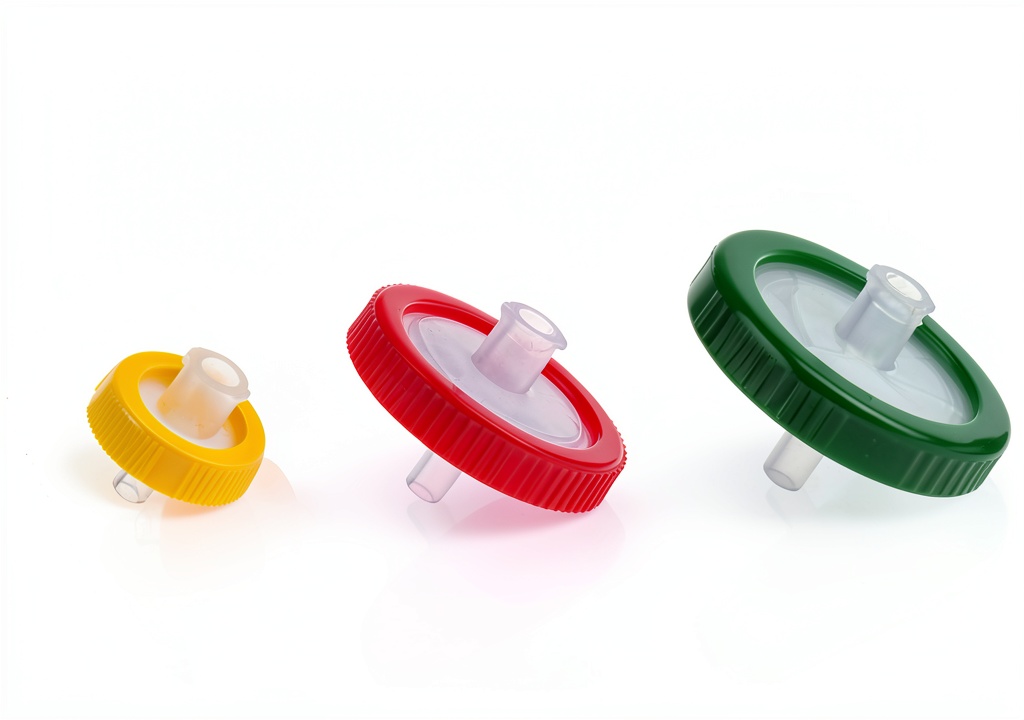
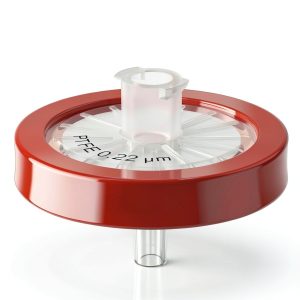
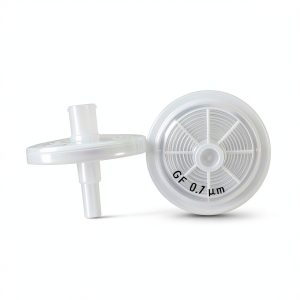
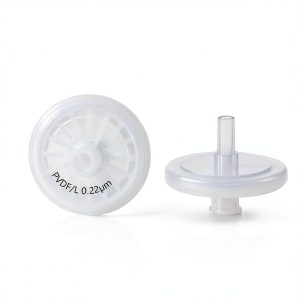
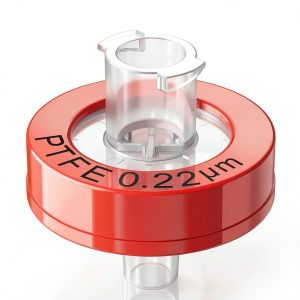
The SERHICS LAB 0.22µm PVDF syringe filter is engineered for high‑performance liquid chromatography, microbiology, and protein research where precise particle removal is essential. Constructed from a hydrophilic polyvinylidene fluoride (PVDF) membrane, the filter provides a uniform pore structure that reliably captures particles down to 0.22 microns while allowing aqueous and mild organic solutions to pass with minimal resistance. The 33 mm diameter membrane fits standard 1 mL syringes and is compatible with a wide range of laboratory workflows, from enzyme assays to cell culture supernatant clarification. Each filter incorporates a female Luer inlet and a male slip Luer outlet, enabling quick, leak‑free connections without the need for additional adapters. The combination of a robust PVDF material and a carefully engineered geometry ensures consistent flow rates, low protein binding, and excellent chemical compatibility, making it a trusted choice for demanding scientific applications.
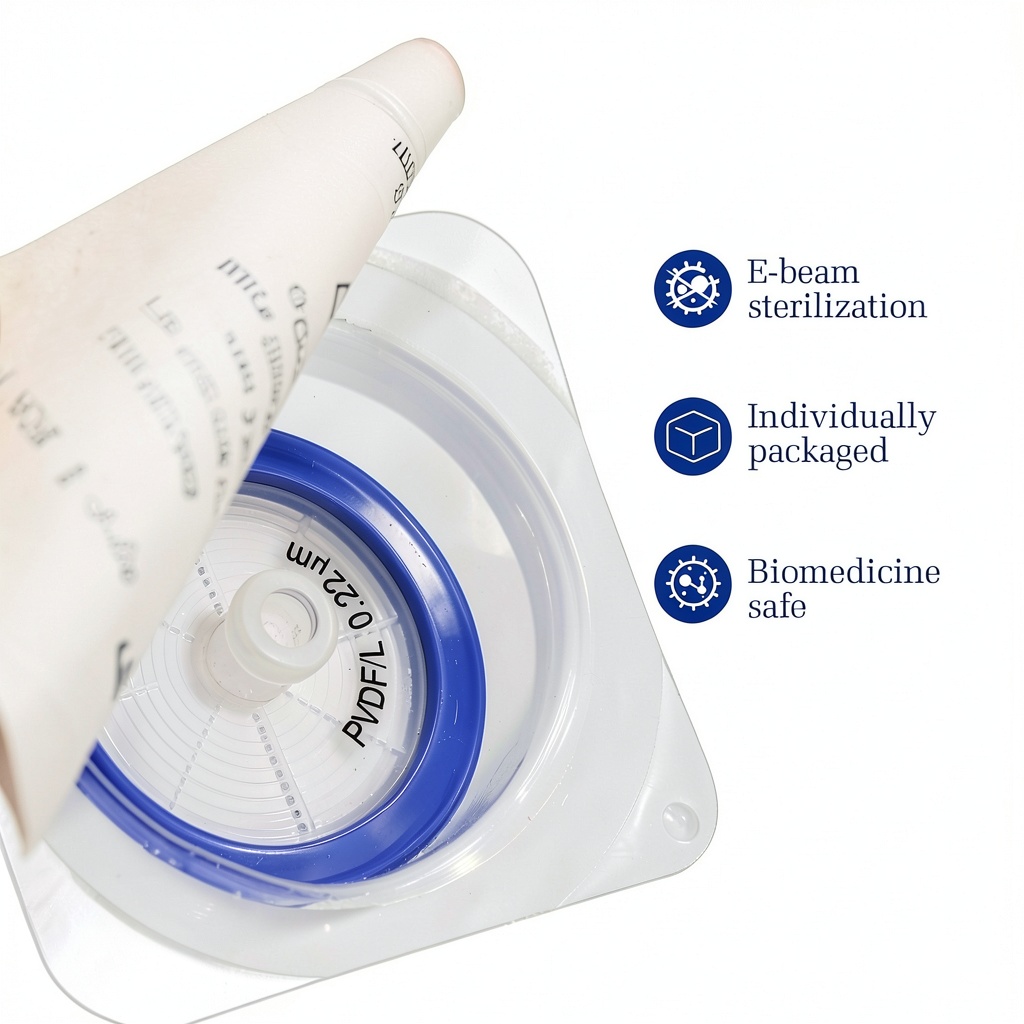
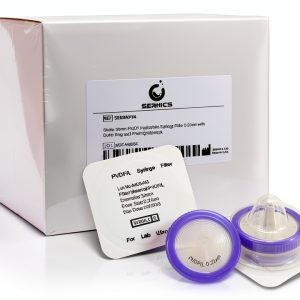
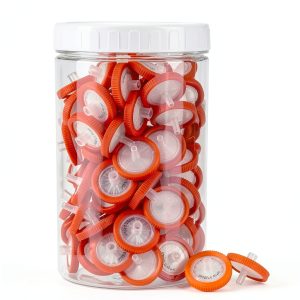
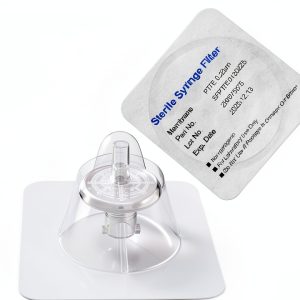
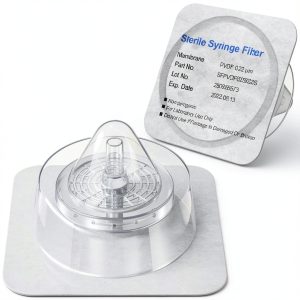
The filter package is designed for laboratory efficiency, delivering fifty individually sealed units in a compact box measuring 6.48 × 5.07 × 4.68 inches and weighing just 11.68 ounces. Individual sterilization guarantees that each filter is ready for immediate use, eliminating the need for additional autoclaving or gamma irradiation steps that could compromise membrane integrity. The 0.22 µm pore size is certified to meet ISO 9001 quality standards, providing confidence that every unit performs to the same rigorous specifications. Detailed product labeling includes the membrane material, pore size, and filter dimensions, allowing technicians to quickly verify compatibility with their experimental protocols. The lightweight yet durable packaging protects the delicate membranes during transport and storage, while the clear labeling system reduces the risk of cross‑contamination or misidentification in busy laboratory environments.
Low protein binding is a critical attribute for filters used in proteomics and biopharmaceutical research, and the PVDF membrane employed in this syringe filter exhibits one of the lowest binding profiles among synthetic polymers. The hydrophilic surface treatment further reduces nonspecific adsorption, ensuring that valuable analytes remain in the filtrate rather than adhering to the filter matrix. Chemical compatibility extends to a broad spectrum of solvents, including water, buffers, and up to 10 % organic solvents such as methanol or acetonitrile, making the filter suitable for sample preparation steps that require solvent exchange or dilution. The robust construction tolerates pressures up to 5 bar, providing reliable performance even when filtering viscous or particulate‑laden solutions. Together, these characteristics enable researchers to achieve high recovery rates, reproducible results, and reduced assay variability across multiple experiments.
The manufacturing process adheres to ISO 9001 quality management principles, ensuring that each batch of filters undergoes rigorous testing for pore size uniformity, flow rate consistency, and sterility assurance. Independent third‑party laboratories verify the filtration efficiency using standardized polystyrene latex bead challenges, confirming that the 0.22 µm rating meets or exceeds industry benchmarks. In addition, the product holds a Best Sellers Rank of #36 in the Syringe Lab Filters category on major e‑commerce platforms, reflecting strong market acceptance and positive user feedback. Customer reviews consistently award a perfect 5‑star rating, highlighting the filter’s reliability, ease of use, and consistent performance across diverse applications. These independent validations reinforce the confidence that laboratory professionals place in SERHICS LAB’s filtration solutions.
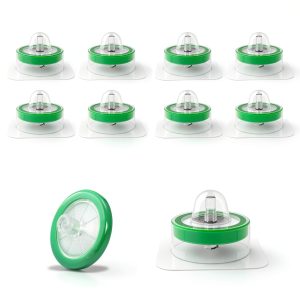
Convenient packaging is a hallmark of this product line; each of the fifty filters is sealed in a sterile pouch that can be opened directly at the bench, allowing scientists to skip time‑consuming sterilization procedures and proceed immediately to sample filtration. The clear, color‑coded labeling on each pouch corresponds to the membrane type and pore size, simplifying inventory management and reducing the likelihood of selecting an incorrect filter during high‑throughput workflows. This streamlined approach not only accelerates experimental timelines but also minimizes the risk of contamination, supporting reproducible results and compliance with Good Laboratory Practice (GLP) standards. By delivering a ready‑to‑use solution, SERHICS LAB helps laboratories maintain productivity while upholding the highest quality standards.
SERHICS is committed to environmentally responsible manufacturing, and the filter packaging utilizes recyclable materials that meet international sustainability standards. The 50‑unit box is constructed from high‑density polyethylene (HDPE) that can be reprocessed into new containers, reducing waste and supporting green laboratory initiatives. Additionally, the membrane production process minimizes solvent usage and incorporates waste‑reduction technologies, aligning with the company’s goal to lower the ecological footprint of scientific research. By choosing this product, laboratories not only benefit from superior filtration performance but also contribute to broader sustainability efforts within the scientific community.
Performance validation data demonstrate that the filter achieves >99.9% particle removal efficiency for 0.22 µm latex beads, confirming its ability to meet stringent analytical standards. Flow rate testing under standard conditions (1 mL/min) shows a consistent pressure drop of less than 0.5 bar, indicating minimal resistance and rapid processing times. Long‑term stability studies reveal that the membrane retains its filtration characteristics after storage at 25 °C for 12 months, providing confidence in shelf‑life and reliability for routine laboratory use.
Feedback from a diverse user base, ranging from academic researchers to industrial quality control teams, highlights the filter’s ease of use, consistent performance, and reliable sterility. Users frequently cite the clear packaging and color‑coded labeling as valuable features that simplify inventory management and reduce the risk of selecting an incorrect filter during fast‑paced experiments. Continuous improvement initiatives incorporate this feedback into product refinements, ensuring that each new production batch addresses real‑world laboratory needs.
![[Product front view showing all components]](https://www.sologo.store/wp-content/uploads/2026/08/60c4d852eaaf4e7bb3e8e54b4b744995.jpg)
Usage
The syringe filter is ideally suited for protein sample filtration, where removal of particulate contaminants and aggregates is essential before downstream analysis such as SDS‑PAGE, mass spectrometry, or chromatography. By placing the filter between the sample tube and the analytical instrument, users can achieve a clear, debris‑free solution that protects sensitive equipment and improves data quality. The low protein binding characteristic ensures that the target analyte remains in the filtrate, preserving concentration and activity for accurate quantification.
The filter’s compatibility with both aqueous buffers and mild organic solvents expands its utility across a range of protocols, including buffer exchange, desalting, and sample concentration steps. Researchers can safely filter solutions containing up to 10 % methanol or acetonitrile without compromising membrane integrity, making it a versatile tool for preparing samples that require solvent compatibility for subsequent analytical techniques. The 33 mm membrane size aligns with standard 1 mL syringes, enabling seamless integration into existing laboratory workflows.
Installation is straightforward: attach the female Luer inlet to the syringe tip, draw the sample, then connect the male slip Luer outlet to the receiving vessel or analytical instrument. The secure Luer connections prevent leaks and ensure that the entire sample passes through the membrane, providing consistent filtration performance. Users are advised to pre‑wet the membrane with the intended solvent to reduce initial resistance and achieve optimal flow rates.
After use, the filter can be safely disposed of according to biohazard waste guidelines, as the sterile packaging prevents environmental contamination. For long‑term storage, keep the unopened pouches in a cool, dry place away from direct sunlight to maintain membrane performance. Regularly inspecting the Luer connections for wear and replacing any damaged components ensures continued reliability and protects the integrity of critical experiments.
Troubleshooting common issues is straightforward; if a sudden increase in back‑pressure is observed, verify that the membrane is not clogged with particulate matter and that the Luer connections are fully engaged. Pre‑wetting the filter with the intended solvent can also reduce initial resistance, especially when filtering viscous solutions. In cases where the filter appears to leak, inspect the Luer fittings for damage and replace any worn components. Maintaining a clean work area and using filtered solvents further enhances filter longevity and performance.
The filter complies with Good Laboratory Practice (GLP) guidelines and is suitable for use in regulated environments such as pharmaceutical development and quality control laboratories. Its validated sterility and low extractable profile meet the stringent requirements for sample preparation in bioanalytical assays, ensuring that downstream analytical results are not compromised by filter‑derived contaminants. By integrating this filter into validated workflows, organizations can maintain compliance with regulatory standards while achieving consistent, high‑quality data.
Advanced applications such as immunoprecipitation, enzyme assays, and cell culture media clarification benefit from the filter’s low extractable profile, which prevents interference with sensitive biological reactions. The ability to filter directly into downstream assay plates or chromatography vials streamlines workflow and reduces sample handling steps, enhancing overall experimental efficiency. Researchers have reported successful use of the filter in high‑throughput screening platforms, where consistent performance across thousands of samples is critical for data reliability.
Why Choose Us
SERHICS LAB employs a stringent quality control protocol that includes in‑process monitoring, final product inspection, and batch‑level performance testing. Every filter undergoes a series of checks to verify pore size accuracy, flow rate consistency, and sterility, ensuring that the final product meets the exacting standards required by modern research laboratories. This comprehensive approach minimizes variability and guarantees that each filter delivers the same high level of performance, batch after batch.
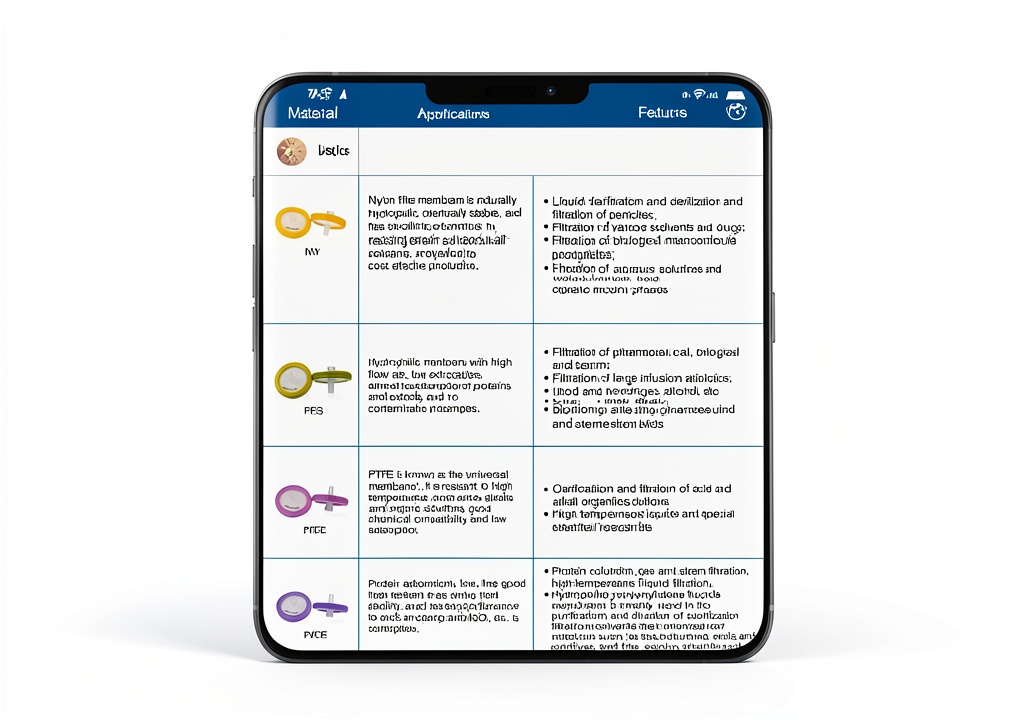
The choice of PVDF, NY, and PES membrane materials provides users with a spectrum of options tailored to specific chemical environments. PVDF offers excellent chemical resistance and low protein binding, NY (nylon) delivers high mechanical strength for viscous samples, and PES (polyethersulfone) combines high flow rates with broad solvent compatibility. By offering these material variations within the same product line, SERHICS LAB enables laboratories to select the optimal filter for each application without compromising on quality or performance.
The filters are designed to withstand pressures up to 5 bar, providing reliable operation even when processing viscous or particulate‑laden solutions. This durability reduces the need for frequent filter changes, saving time and resources in high‑throughput settings. Additionally, the low extractable profile of the PVDF membrane ensures that no interfering substances leach into the filtrate, preserving the integrity of sensitive analytical measurements such as mass spectrometry or ELISA.
SERHICS LAB provides dedicated technical support and a responsive after‑sales service team that assists customers with product selection, troubleshooting, and protocol optimization. Users can access detailed application notes, video tutorials, and direct assistance from experienced engineers, ensuring that any challenges are resolved quickly and efficiently. This commitment to customer success reinforces the brand’s reputation for reliability and fosters long‑term partnerships with research institutions worldwide.
Continuous research and development drives SERHICS LAB’s product innovation, with a dedicated team of scientists exploring new membrane chemistries and filtration technologies. Recent advancements include the introduction of low‑extractable PVDF formulations and the optimization of pore uniformity through precision manufacturing techniques. This commitment to innovation ensures that customers receive state‑of‑the‑art filtration solutions that keep pace with evolving scientific demands.
Global distribution networks and localized support centers enable rapid delivery and on‑site assistance, minimizing downtime for laboratories worldwide. Whether operating in academic, industrial, or clinical settings, users benefit from consistent product availability and expert guidance tailored to regional regulatory requirements and application needs.
Comprehensive documentation, including detailed user manuals, SOP templates, and validation protocols, is provided with each purchase, enabling laboratories to quickly integrate the filter into existing quality systems. SERHICS LAB also offers on‑site training sessions and webinars that cover best practices, troubleshooting techniques, and method development strategies, empowering scientists to maximize the filter’s capabilities and achieve reproducible results.
Key Features
- Sterile, individually packaged filters eliminate the need for additional sterilization, saving time and reducing contamination risk.
- Hydrophilic PVDF membrane provides low protein binding and high chemical resistance for reliable filtration of aqueous and mild organic solutions.
- 0.22 µm pore size captures fine particulates while maintaining low back‑pressure, ensuring consistent flow rates across diverse sample types.
- Female Luer inlet and male slip Luer outlet enable quick, leak‑free connections compatible with standard 1 mL syringes.
- Comprehensive after‑sales support, including technical assistance and application guidance, ensures optimal performance and customer satisfaction.
FAQ
What solvents can I use with the 0.22 µm PVDF syringe filter?
The filter is compatible with water, common laboratory buffers, and up to 10 % methanol or acetonitrile, allowing flexibility for most protein and small‑molecule preparations.
How do I install the filter correctly to avoid leaks?
Attach the female Luer inlet to the syringe tip, draw the sample, then connect the male slip Luer outlet to the receiving vessel; ensure both connections are fully seated.
Can the filter be reused after filtration?
No, the filter is designed for single‑use applications; reusing it could compromise sterility and filtration performance, leading to inaccurate results.
What is the maximum pressure rating for this syringe filter?
The filter can safely operate up to 5 bar (≈72 psi), providing reliable performance even with viscous or particulate‑rich samples.

Reviews
There are no reviews yet.